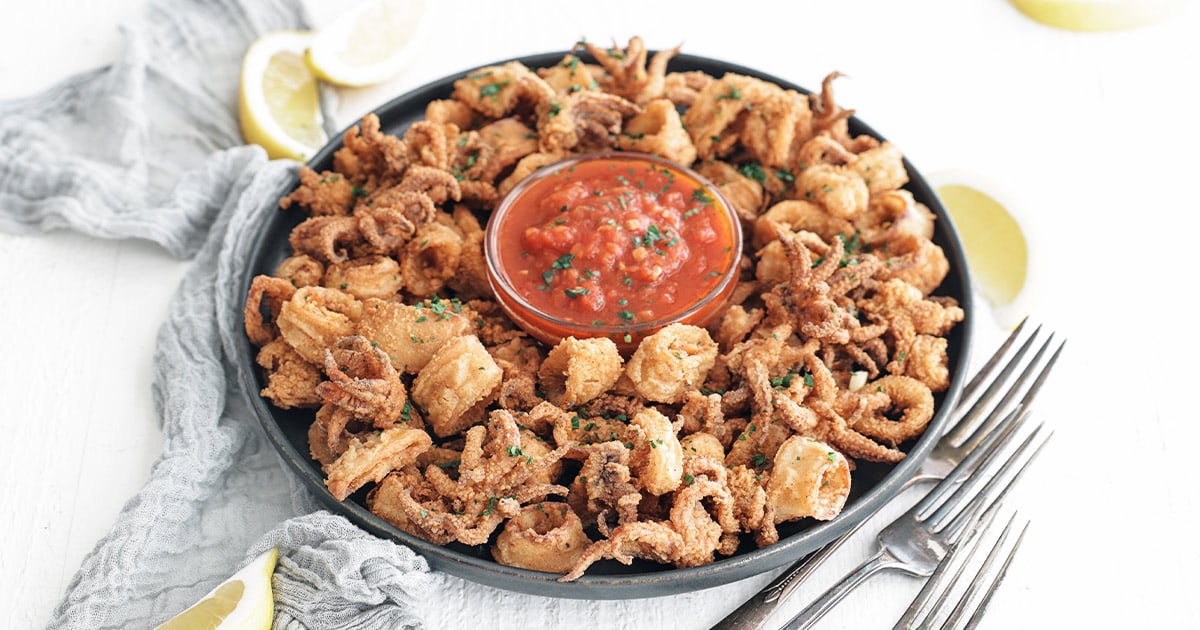
Bring the Mediterranean Home: Your Guide to Restaurant-Style Crispy Fried Calamari
There’s something undeniably captivating about a perfectly executed plate of fried calamari. That irresistible crunch, followed by tender, succulent squid, often finished with a bright squeeze of lemon – it’s a taste that transports you straight to sun-drenched tavernas and bustling seafood restaurants. While many believe this culinary delight is best left to professional chefs, we're here to tell you that mastering a truly spectacular, **crispy fried calamari recipe** at home is not only achievable but surprisingly straightforward. Forget rubbery textures or greasy coatings; with our expert tips and a little culinary know-how, you'll be dishing out platters that rival your favorite eateries.
What is Calamari? Unraveling the Mystery of This Delicious Seafood
Before we dive into the frying pan, let’s clear up a common question: Is calamari squid or octopus? In short, calamari *is* squid. The word "calamari" is simply the Italian term for squid, a fascinating cephalopod and a close cousin to the octopus. While both are delicious, squid offers a distinct culinary experience. It boasts a firm, white flesh with a wonderfully mild, slightly sweet flavor that readily absorbs other tastes, making it incredibly versatile.
Of the over 300 species of squid found in oceans worldwide, only a handful are typically used for cooking. Thankfully, you don't need to be a deep-sea diver to find it. Squid is readily available in most grocery stores, often at a surprisingly affordable price point. You might find fresh options at the fish counter, but more commonly, you'll discover pre-cleaned calamari tubes or rings in the freezer aisle. For this **fried calamari recipe**, pre-cleaned frozen options are incredibly convenient and work perfectly, saving you valuable prep time.
The Secret to Tender, Never-Rubbery Calamari
One of the biggest anxieties home cooks face when attempting **fried calamari** is the fear of it turning out tough and rubbery. This is a legitimate concern, but thankfully, there's a simple, game-changing technique that guarantees wonderfully tender results every time.
The Magic of the Salted Milk Soak
This is arguably the most crucial step for achieving that melt-in-your-mouth tenderness. To truly transform your squid, you'll want to soak it in a solution of salted milk. This seemingly simple step works wonders on several fronts:
1.
Tenderization: The lactic acid in the milk, combined with the salt, gently breaks down the squid's muscle fibers. This process helps to soften the calamari, ensuring it cooks up tender rather than chewy.
2.
Odor Taming: Milk is excellent at neutralizing any lingering "fishy" smells that some seafood can carry, leaving you with a clean, fresh flavor.
3.
Coating Adhesion: The milk bath also creates a slightly tacky surface on the squid, helping your flour coating adhere beautifully, which is essential for that perfect crisp.
To implement this technique, simply stir about 1 teaspoon of kosher salt into 1/2 cup of milk (any type of milk will do, though whole milk can add a touch more richness). Submerge your cut squid rings or pieces in this solution and refrigerate for at least 30 minutes, or up to an hour. For a deeper dive into this transformative step, check out our detailed guide:
Unlock Tender, Non-Rubbery Fried Calamari: The Milk Soak Secret.
Preparing Your Calamari for Perfection
Beyond the milk soak, a few quick preparation tips will set you up for success:
*
Cleanliness is Key: If you’re using fresh, whole squid, make sure it’s meticulously cleaned. Remove the head, internal organs, quill, and any membranes. Many frozen options come pre-cleaned, which is a huge time-saver.
*
Optimal Sizing: For the best texture, aim to cut your squid tubes into rings about 3/4-inch thick. This thickness provides enough "meat" to remain tender, while also allowing the coating sufficient time to brown and crisp without overcooking the squid itself. Rings that are too thin can become tough very quickly, and too thick might not cook evenly.
*
Pat Dry (if not soaking): If for some reason you skip the milk soak (though we strongly advise against it!), ensure your calamari is thoroughly patted dry before coating. Excess moisture leads to a soggy coating and splattering oil.
Mastering the Crispy Coating and Frying Technique
The truly "restaurant-style" quality of **fried calamari** lies in its light, airy, and audibly crispy exterior. This doesn't happen by accident; it's a result of the right coating mixture and precise frying technique.
Crafting the Ultimate Crispy Batter
Your dredging mixture is paramount. Don’t just reach for plain flour! A combination of ingredients creates a superior, shatteringly crisp crust:
*
All-Purpose Flour: Forms the base of your coating.
*
Cornstarch: This is a secret weapon for crispness. Cornstarch helps create a lighter, more delicate, and extra-crispy exterior that resists sogginess.
*
Baking Powder: A small amount of baking powder in the coating is a game-changer. It reacts with the hot oil, producing tiny air bubbles that make the crust incredibly light and airy, contributing to that desirable "puff" and crunch.
*
Seasoning: Don't forget to season your flour mixture! Salt, freshly ground black pepper, a touch of garlic powder, onion powder, and a pinch of paprika can elevate the flavor significantly.
After soaking, simply drain your calamari, shaking off excess milk, and then toss it generously in your seasoned flour-cornstarch-baking powder mixture until evenly coated.
Fry Like a Pro: Oil Temperature and Batch Frying
This is where many home cooks falter, leading to greasy or unevenly cooked calamari. Frying correctly is about speed and temperature:
1.
Oil Choice & Temperature: Use a neutral-flavored oil with a high smoke point, such as canola, vegetable, or peanut oil. Heat it to a precise 350-375°F (175-190°C). A thermometer is your best friend here. Too cool, and the calamari will absorb too much oil and become greasy. Too hot, and the coating will burn before the squid is cooked through.
2.
The "Rest" Before the Fry: Once coated, allow the squid rings to rest in a colander for a few minutes before frying. This allows the flour coating to rehydrate and adhere more firmly to the calamari. This step is often naturally accommodated when you fry in batches, as some pieces will be resting while others are cooking. This significantly reduces the chances of your beautiful coating falling off in the hot oil.
3.
Fry in Small Batches: This is non-negotiable for crispy results. Overcrowding the pan drastically drops the oil temperature, leading to greasy, soggy calamari. Fry only a handful of pieces at a time, ensuring they have plenty of space.
4.
Quick Cooking: Calamari cooks incredibly fast! Fry for just 1-2 minutes per batch, or until golden brown and crispy. Any longer, and you risk turning it rubbery. As soon as it's golden, remove it promptly. You can have a batch of this delicious appetizer ready in just 30 minutes! For a quick and easy start, check out:
Get Crispy Fried Calamari in 30 Minutes: Easy Appetizer Recipe.
5.
Drain and Season Immediately: Transfer the fried calamari to a wire rack set over a baking sheet lined with paper towels to drain excess oil. Immediately sprinkle with a pinch of flaky sea salt while still hot – this helps the salt adhere and enhances the flavor.
Your Go-To Crispy Fried Calamari Recipe
Putting it all together, here's a quick overview of your steps to perfection:
*
Prepare the Calamari: Thaw (if frozen), clean (if fresh), and cut into 3/4-inch rings.
*
Tenderize: Soak in salted milk for 30 minutes in the refrigerator.
*
Prepare Coating: Whisk together flour, cornstarch, baking powder, and your chosen seasonings.
*
Coat & Rest: Drain calamari, toss in the coating mixture, and let rest for a few minutes.
*
Heat Oil: Bring a neutral-flavored oil to 350-375°F (175-190°C) in a deep pot or Dutch oven.
*
Fry in Batches: Cook small batches for 1-2 minutes until golden and crispy.
*
Drain & Season: Transfer to a wire rack, season immediately with salt.
Essential Serving Suggestions
No plate of **fried calamari** is complete without the right accompaniments:
*
A Squeeze of Citrus: A generous wedge of fresh lemon is traditional and essential. The acidity cuts through the richness of the fried squid, brightening every bite.
*
Dipping Sauces: Offer a selection! Classic options include warm marinara sauce, a zesty homemade aioli (garlic mayonnaise), or a refreshing tzatziki.
*
Pairings: Fried calamari makes a fantastic appetizer or a delightful side dish. It pairs wonderfully with other Mediterranean fare, a light salad, or even as part of a larger seafood platter alongside Spanish paella or a surf and turf meal. For beverages, think light and crisp – a chilled white wine, a cold beer, or even a refreshing Spanish Agua de València.
Conclusion
Making restaurant-quality **crispy fried calamari recipe** at home is not just possible; it's an incredibly rewarding culinary adventure. By understanding the simple science behind tenderizing with a milk soak, crafting the perfect airy coating with cornstarch and baking powder, and mastering the quick-fry technique, you can consistently achieve that coveted light, golden, and supremely tender result. Say goodbye to rubbery regrets and greasy disappointment. With these tips and tricks, you're now equipped to bring the irresistible taste of the Mediterranean right into your own kitchen. So, grab your squid, heat that oil, and prepare to impress yourself and your guests with the best homemade fried calamari you've ever tasted!